

By Firas Saeed, writing from Gaza | Gaza Diaries 23-10-2026
How do you explain hunger to a world that has enough food? How do you explain the fear of waking up tomorrow and not knowing whether your family will have bread?
My name is Firas. I live in Gaza, and I am writing these words while watching the food around us become scarcer and the anxiety inside our homes grow heavier.
Hunger does not always arrive all at once. Sometimes, it comes gradually. First, the prices rise. Then, familiar foods disappear from the markets. Portions become smaller. Families stop asking what they would like to eat and begin asking a much more painful question: What can we still afford?
This is what frightens me about the situation in Gaza today.
When Flour Becomes a Luxury
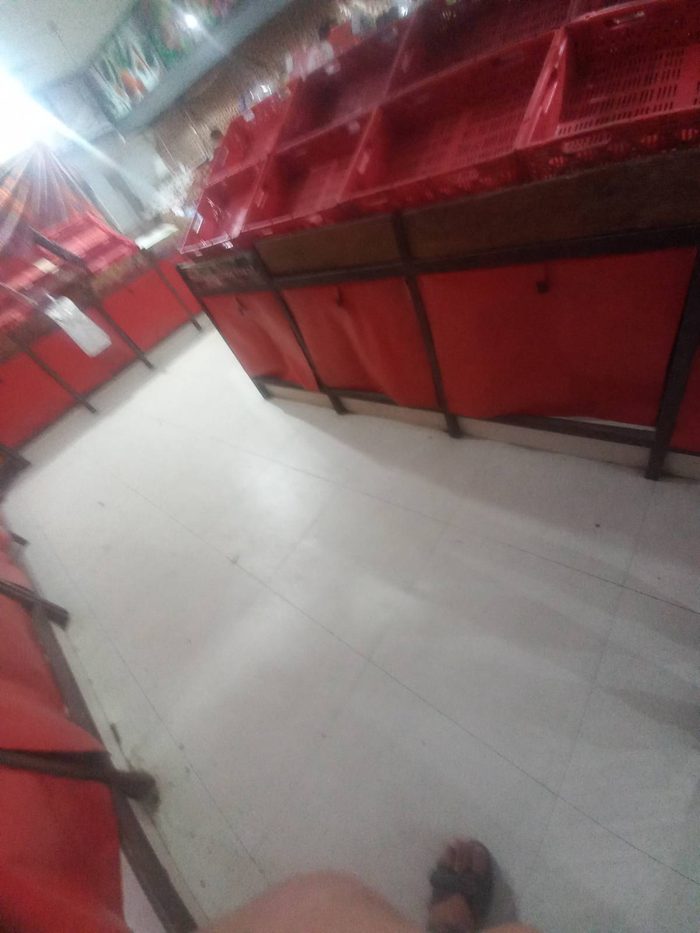
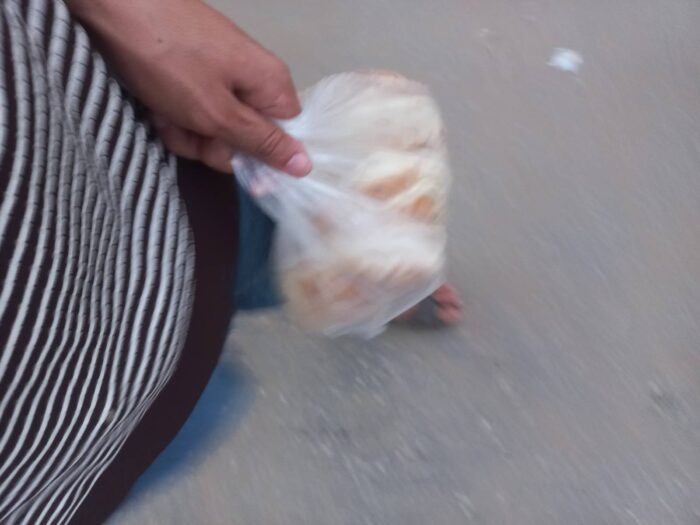
Flour is no longer something we can take for granted. It has become scarce, expensive, and increasingly difficult for ordinary families to obtain. A bag of flour can cost around $40, an unbearable price for people who have lost their jobs, their homes, and almost every means of earning a living.
And what happens when flour disappears?
Bakeries struggle to keep producing bread. When flour is scarce, ovens cannot meet people’s needs. People who depend on bread as their main source of food are left wondering where their next meal will come from.
Bread is not a luxury in Gaza. It is the foundation of survival. It is what parents try to put on the table when they have nothing else to offer their children.
Imagine standing in front of a bakery, hoping to bring something home to your family, while knowing that even this basic necessity may soon be beyond your reach.
Imagine the humiliation of having money that is no longer enough to buy the food you need.
And imagine being a father, a mother, or an older brother, watching your family grow hungry while you have no way to change the situation.
Empty Markets, Empty Tables
The problem is not limited to flour and bread.
Vegetables have become extremely scarce in the markets where I live. Meat has reportedly been unavailable for around fifteen days. Foods that once formed part of ordinary meals have become difficult or impossible for many families to find.
Our markets tell a frightening story. The fewer goods that arrive, the less choice people have. The scarcer the supplies become, the harder it is for families to secure even the most basic necessities.
We are not talking about choosing between a good meal and a bad one. We are talking about whether there will be enough food at all.
When a family cannot find flour, vegetables, or meat, what is left? How long can people survive by continually reducing what they eat?
And what happens to those who are already sick, injured, elderly, or unable to work?
These are not abstract questions. They are questions that follow people through every day in Gaza.
The Engineering of Famine
I call this story The Engineering of Famine because hunger does not exist in isolation. It grows when the conditions necessary for survival are systematically undermined.
When essential goods cannot enter in sufficient quantities, when flour becomes unaffordable, when bakeries cannot obtain what they need, and when markets lose their food supplies, hunger spreads from one household to another.
A family might endure one difficult day. It might find a way to survive another. But what happens when every day becomes more difficult than the one before it?
A crisis deepens when people have no reliable way to replenish what they have lost. And when the crossings remain closed or the flow of essential supplies is severely restricted, the fear of a wider famine becomes increasingly urgent.
If the crossings do not open and sufficient food supplies do not reach Gaza, we fear that the situation will deteriorate into an even more devastating hunger crisis.
We need flour. We need food. We need vegetables, essential supplies, and functioning bakeries. We need humanitarian assistance to reach the people who depend on it.
People cannot live on promises. Children cannot eat statements of concern. Families cannot bake bread from empty sacks of flour.
I Am Writing Before the Hunger Becomes Even Worse
I am writing this because I do not want the world to wait until empty shelves and empty stomachs become the only evidence anyone is willing to recognize.
I want people to understand that a bag of flour is not simply a bag of flour here. It is breakfast for a family. It is bread for the evening. It is a little reassurance that tomorrow might be manageable.
When flour disappears, that reassurance disappears with it.
I want the world to understand what it means when meat has been absent from the markets for days, when vegetables are scarcely available, and when ordinary people must struggle to obtain the most basic food.
We are human beings. We need food, safety, dignity, and the chance to live without constantly fearing what tomorrow will bring.
I am not asking the world to feel sorry for us and then move on. I am asking the world to pay attention, to speak about what is happening, and to demand that sufficient humanitarian food supplies reach Gaza.
Please do not wait until the crisis becomes even worse before you listen.
Open the crossings. Let the food in. Let the flour reach the bakeries. Let people buy food at prices they can afford.
Because when bread begins to disappear, hunger is no longer a distant warning.
It is already knocking on the doors of our homes.
And we are afraid of what will happen if nobody answers.
— Firas Saeed, Gaza
And help him out if you can! https://chuffed.org/project/171610-help-feras-receive-the-care-he-needs